
Body polishing has become one of the most requested treatments at spas across India, and for good reason — it leaves skin visibly smoother, brighter, and softer within a single session. But a common question keeps coming up before people book: is body polishing actually safe for every skin type, or does it work better for some people than others? The honest answer is that body polishing is safe for the vast majority of skin types when it’s customised correctly, but “customised” is the key word. Dry, oily, sensitive, and tan-prone skin all respond differently to exfoliation, and understanding those differences is what separates a treatment that leaves you glowing from one that leaves you irritated. This guide breaks down how body polishing interacts with each skin type, when caution is needed, and how to prepare so your session works with your skin rather than against it.
How Body Polishing Affects Different Skin Types
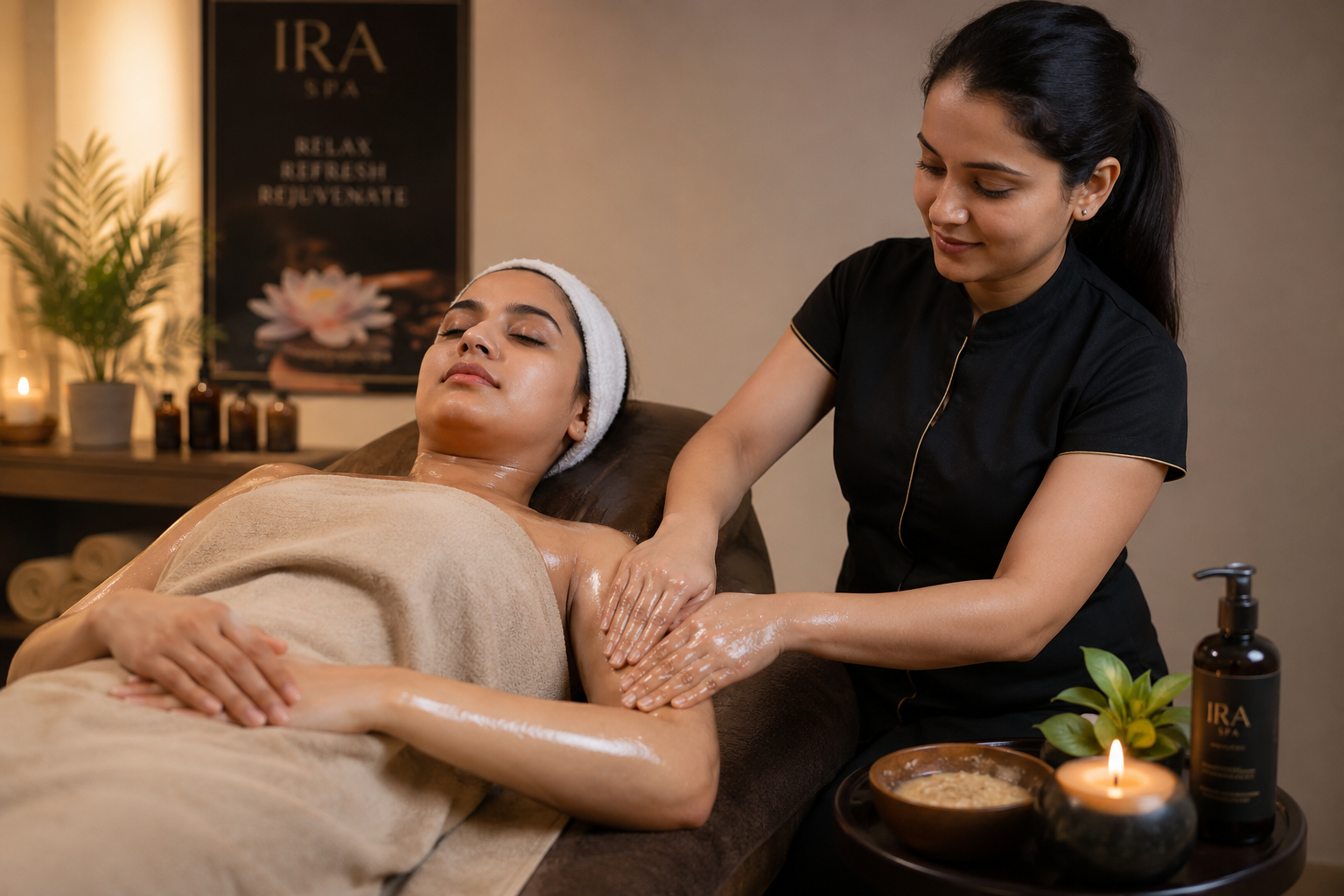
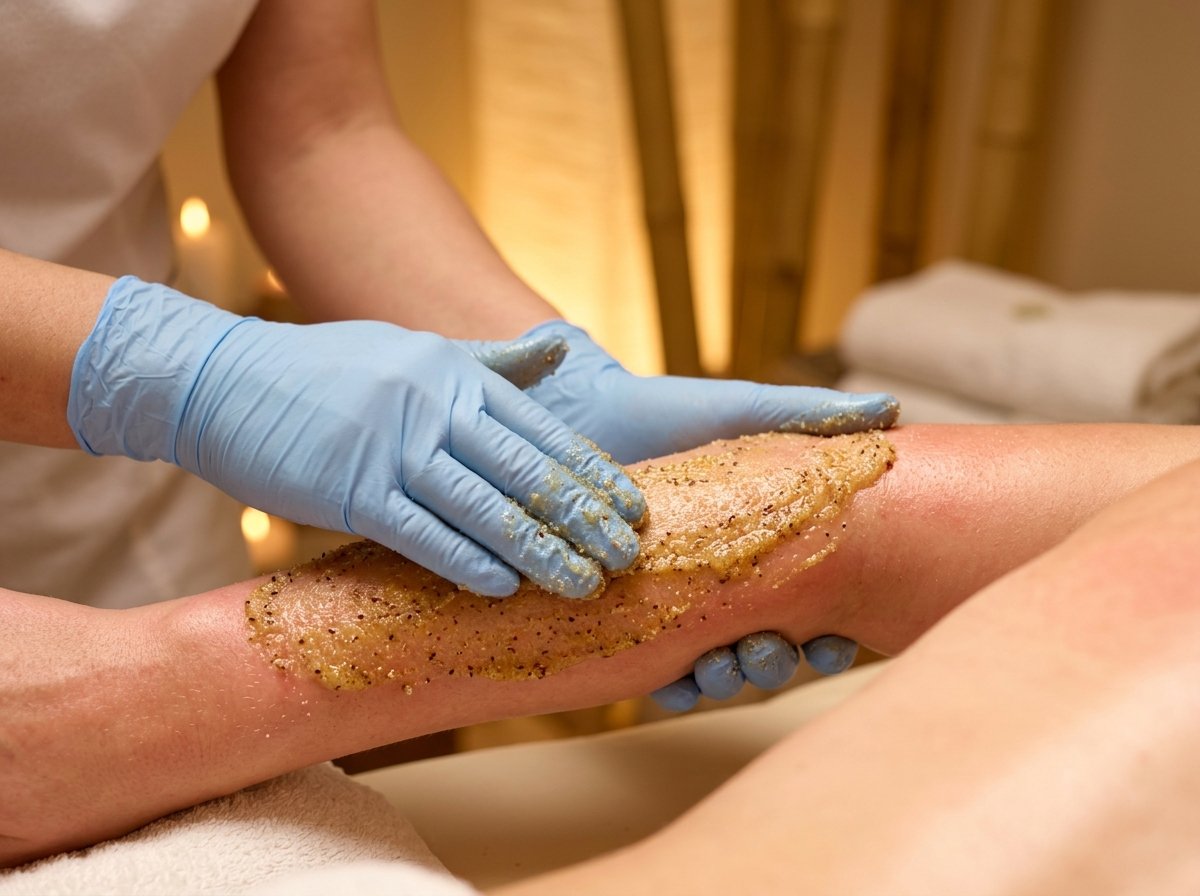
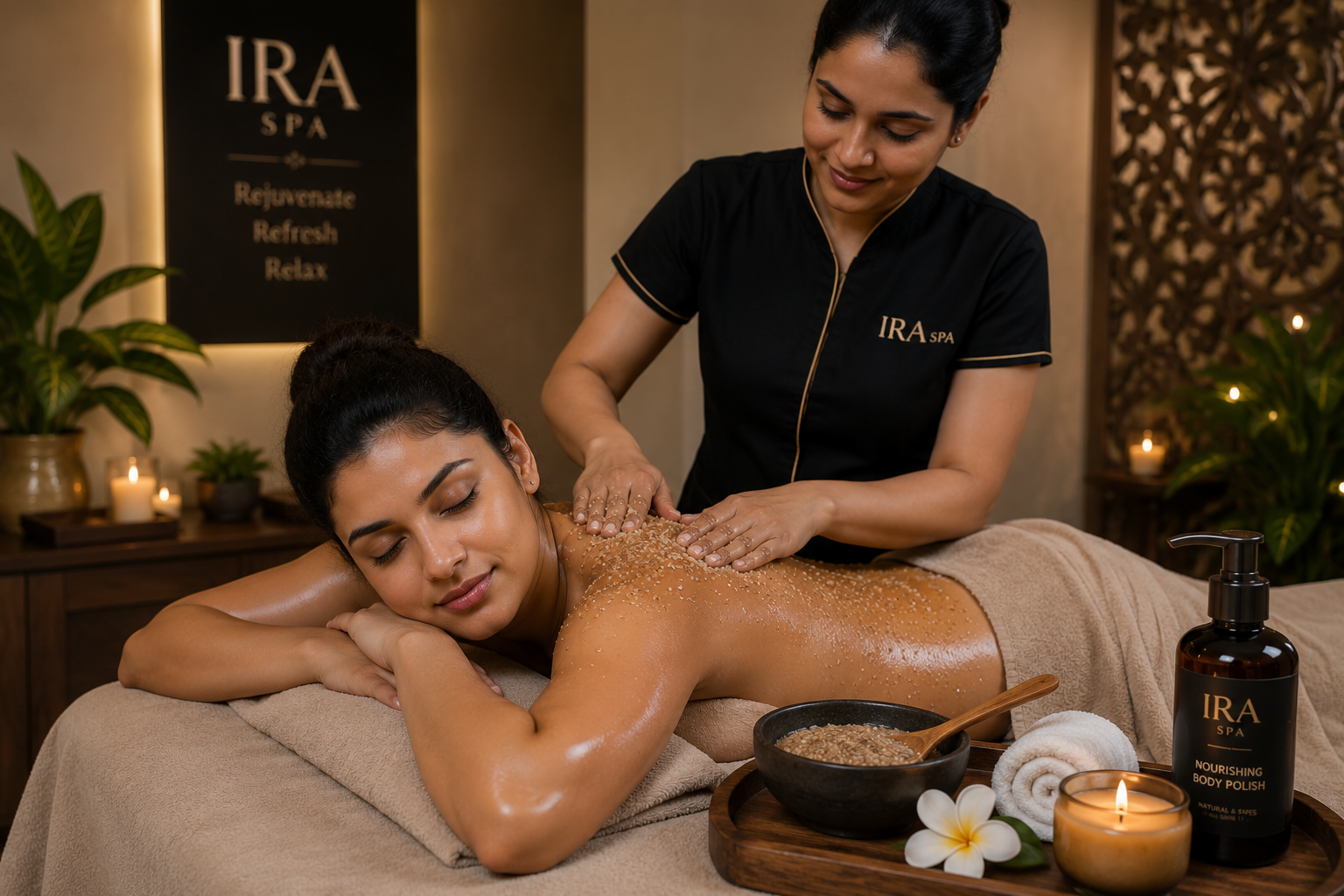
Body polishing works by physically exfoliating dead skin cells using a scrub, followed by a moisturising or nourishing stage to lock in hydration. For normal and combination skin, this process is generally very well tolerated, since the skin barrier is strong enough to handle gentle abrasion without reacting. Dry skin, on the other hand, needs a gentler scrub base and a heavier moisturising step afterward, which is why many spas offer variants built specifically for dryness, such as black currant-based polishes that emphasise nourishment over intensity. Oily and tan-affected skin generally tolerates polishing well too, often benefiting from brightening or de-tan formulations that help even out tone. If you’re still deciding which spa or treatment style fits your skin, it’s worth reading through our guide on choosing the right spa for body polishing, which covers what to look for in terms of hygiene, product quality, and therapist expertise.
Sensitive Skin and the Case for Gentler Formulations
Sensitive skin is where body polishing requires the most attention, but it doesn’t rule the treatment out. People with reactive or easily-irritated skin can still enjoy the benefits of exfoliation, provided the scrub is fine-grained rather than coarse, and the session avoids excessive pressure or prolonged rubbing on any one area. A good therapist will also patch-test a small area first if you mention sensitivity during your consultation. This is one of many small but important details that shape your overall experience, similar to how first-time visitors are guided through what to expect before any treatment begins — something we cover in detail in what to expect during your first spa visit. Communicating your skin history upfront is the single most effective way to keep a sensitive-skin session safe and comfortable.
Book Your Appointment
When to Pause or Avoid Body Polishing
There are situations where body polishing should be delayed or skipped altogether, regardless of your general skin type. Active acne breakouts, open wounds, sunburn, eczema flare-ups, psoriasis, or any broken skin should heal first, since exfoliating over compromised skin increases the risk of irritation or infection. Recent waxing, shaving, or laser treatments in the same area also call for a short waiting period before polishing. If you have a diagnosed skin condition or you’re pregnant, a quick check with your dermatologist beforehand is a sensible precaution. None of this means body polishing is unsafe as a treatment category — it simply means, like most spa therapies, it works best when timed appropriately around your skin’s current condition rather than forced into a fixed schedule.
The Role of Therapist Skill in Making It Safe
A trained therapist is often the biggest safety factor in the entire experience. Skilled hands know how to adjust pressure across different zones of the body, spend less time on thinner-skinned areas, and recognise early signs that a client’s skin is reacting poorly mid-session. This is the same principle that makes coordinated treatments like four hands massage so effective — technique and attentiveness matter as much as the products used. When you’re evaluating any spa for body polishing, ask about therapist training and don’t hesitate to voice concerns mid-session if something feels too intense.
Aftercare Makes the Difference Long-Term
Safety doesn’t end when the scrub is rinsed off. Proper aftercare protects freshly exfoliated skin and extends the results of your session. This means moisturising generously for the next few days, avoiding direct sun exposure without SPF, skipping additional exfoliation for at least a week, and staying hydrated. Many clients pair body polishing with lighter, restorative treatments afterward — a de-stress refreshment pedicure, for instance, is a gentle way to continue the self-care routine without adding further exfoliation to already-sensitive skin. Building a broader wellness rhythm rather than treating body polishing as a one-off event tends to produce the best long-term results for skin texture and tone.
Making Body Polishing Part of a Balanced Routine
Body polishing is most rewarding when it’s one part of a consistent self-care habit rather than an occasional emergency fix before an event. Spacing sessions four to six weeks apart gives skin enough time to renew naturally, and combining it with other treatments supports both physical and mental wellbeing. In fact, the calming, mindful aspect of spa visits contributes as much to how your skin looks as the treatment itself, something explored further in how spa treatments support mental wellness and emotional healing. Regular visits, even outside of specific treatments, help you notice how your skin responds over time — a pattern we unpack in the benefits of visiting a spa once a month.
Conclusion
Body polishing is safe for nearly every skin type, but the safety comes from customisation, not from treating every session identically. Dry skin needs richer moisture, sensitive skin needs a gentler scrub and open communication, and compromised or inflamed skin simply needs to wait until it’s healed. The combination of a trained therapist, the right product variant for your skin, and proper aftercare is what turns body polishing from a generic scrub into a genuinely safe, effective treatment tailored to you. At IRA Spa in Mangalore and Kalaburgi, every body polishing session begins with a consultation so your therapist can match the treatment to your skin’s specific needs. Ready to find out which variant suits you best? Book your session today and let your skin tell you the rest.