When it comes to having clear and glowing skin, many people face ongoing issues like acne and too much oil.
These problems usually happen because pores get blocked with dirt, old skin cells, and oil, which can lead to breakouts. That’s where a deep pore cleansing facial comes in. This special skincare treatment is made to directly address these issues. It goes deeper than just cleaning the surface of your skin, helping to remove dirt and excess oil from inside the pores. By stopping acne and oil buildup, it helps your skin stay healthier and more balanced. In this blog, we’ll explain how this treatment works, what benefits it offers, and why it could be the key to improving your skincare routine. Whether you’re struggling with hard-to-remove blackheads or a shiny T-zone, learning about deep pore cleansing can help you get that beautiful, clear skin you’ve been wanting.
The Role of Deep Cleansing in Skin Health
Deep cleansing is very important for keeping your skin healthy. It helps get rid of the main causes of skin problems. Our skin comes into contact with things like pollution, makeup, and natural oils from our skin glands. Over time, these can clog the pores, causing inflammation, breakouts, and a rough texture.
Deep cleansing goes deeper than just the surface of your skin. It removes dirt and buildup from inside the pores. This not only clears out what’s already there but also helps stop future problems by keeping the oil production in check. When pores are blocked, your skin’s defense system is weaker, making it easier for bacteria like Propionibacterium acnes to cause acne.
Regular deep cleansing benefits your skin in many ways. It helps improve blood flow, which brings more nutrients to your skin cells and supports collagen production for stronger, firmer skin. It also helps keep your skin’s pH balanced, which prevents it from making too much oil—something that often happens when you use harsh cleansers. Research in dermatology journals, like the Journal of the American Academy of Dermatology, shows that doing this regularly can cut down acne by up to half in people with mild to moderate breakouts.
In addition, deep cleansing helps maintain your skin’s good bacteria, which keeps harmful bacteria at bay. By removing extra oil without messing up this balance, it helps prevent issues like rosacea or inflamed hair follicles. So, including deep cleansing in your skincare routine isn’t just about looking better—it’s about taking care of your skin’s long-term health and avoiding breakouts and oil buildup before they get worse.
Step-by-Step Process of the Facial
A deep pore cleansing facial is a meticulous procedure typically performed by a licensed esthetician in a spa or clinic setting. Lasting about 60-90 minutes, it combines manual techniques with specialized tools and products for optimal results. Here’s a breakdown of the step-by-step process:
- Consultation and Skin Analysis: The session begins with a thorough assessment. The esthetician examines your skin type, concerns, and history to customize the treatment. This might involve using a magnifying lamp or digital scanner to identify clogged pores and oil-prone areas.
- Initial Cleansing: A gentle, oil-based or milky cleanser is applied to remove surface makeup, dirt, and SPF. This step prepares the skin without stripping its natural moisture.
- Exfoliation: To slough off dead skin cells, a chemical exfoliant (like AHAs or BHAs) or physical scrub is used. Enzymes from fruits like papaya or pineapple often feature here, dissolving buildup and revealing smoother skin.
- Steaming: Warm steam is directed at the face for 10-15 minutes to open pores. This softens sebum and impurities, making extraction easier. Aromatherapy elements, such as eucalyptus, may be added for a soothing effect.
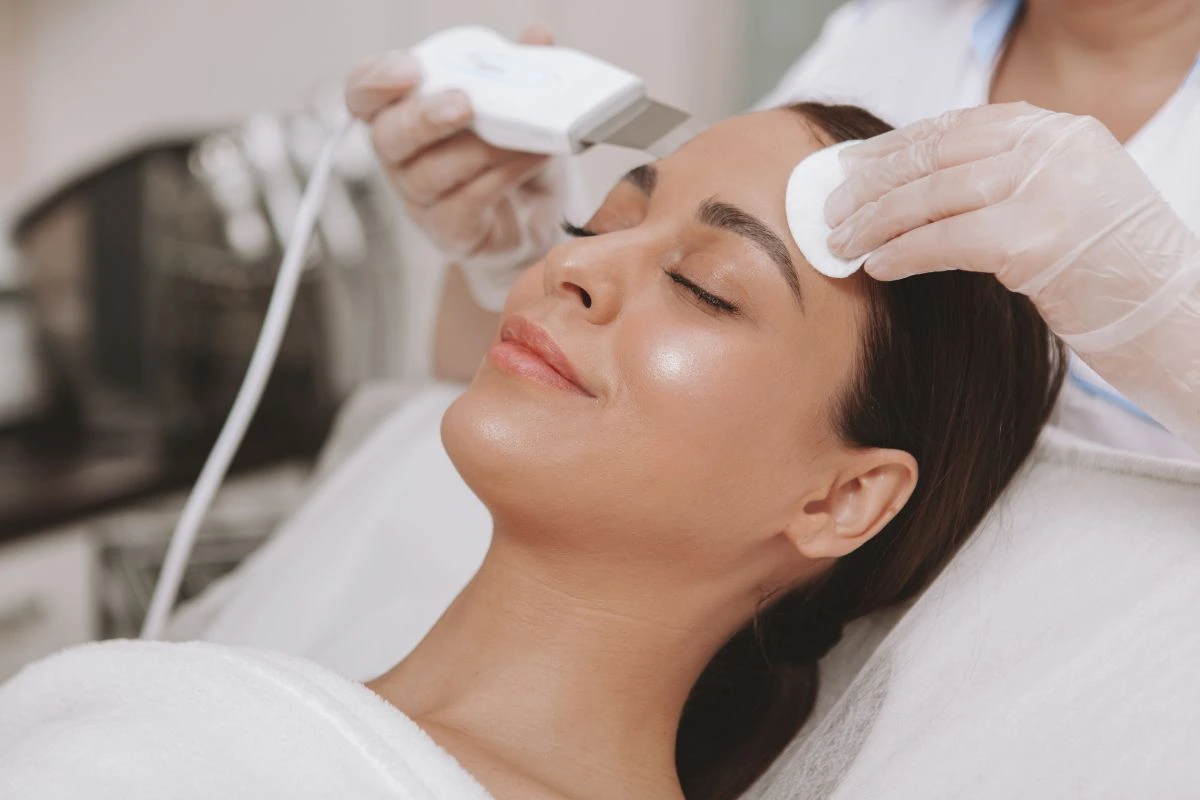
- Extraction: The core of the facial, this involves manual or tool-assisted removal of blackheads, whiteheads, and comedones. Using comedone extractors or ultrasonic devices, the esthetician gently presses to clear pores without causing trauma.
- Deep Cleansing Mask: A clay-based mask (e.g., kaolin or bentonite) is applied to absorb excess oil and draw out remaining impurities. For acne-prone skin, masks with salicylic acid or tea tree oil target inflammation.
- High-Frequency Treatment or LED Therapy: Optional but beneficial, this step uses electrical currents or light therapy to kill bacteria and reduce oil production. Blue LED light, in particular, is effective against acne-causing microbes.
- Toning and Moisturizing: The facial concludes with a balancing toner to close pores, followed by a lightweight serum and moisturizer to hydrate and protect the skin barrier.
Throughout, the focus is on gentleness to avoid irritation, which could trigger more oil production. Post-facial, your skin feels refreshed, with reduced shine and fewer visible pores.
Ideal for Oily and Combination Skin
Deep pore cleansing facials work best for people with oily or combination skin, especially when dealing with extra oil every day. Oily skin tends to make more oil because of things like genes, hormones, or the environment. This can lead to bigger pores and more breakouts. Combination skin has oily areas like the forehead, nose, and chin, but drier cheeks. A deep cleansing facial helps balance this without drying out the whole face too much.
For oily skin, treatments like oil-absorbing masks and extractions help reduce shine and stop the oily look that can cause acne. Ingredients like charcoal or sulfur help make the skin less shiny and clean out the pores. A study in the International Journal of Dermatology showed that people with oily skin saw a 30 to 40 percent drop in oil levels after getting deep cleansing treatments every two weeks.
Combination skin benefits from treatments that focus on the oily areas while still being gentle on the drier parts.
This avoids using too harsh products on the dry areas, which can make the skin produce more oil as a reaction.
Even people with sensitive oily skin can enjoy these facials with special products that are less likely to cause irritation.
Overall, if your skin tends to be oily, this facial can help reset your skin, giving you a clearer, less shiny look without drying it out.
Book Your Appointment
Post-Treatment Skin Care and Hydration
After getting a deep pore cleansing facial, it’s important to take good care of your skin to get the most out of the treatment and stop your skin from making too much oil again.
Right after the treatment, your skin might look a little red or feel sensitive, so it’s best to avoid using makeup or being in the sun for 24 to 48 hours.
Start by washing your face with a gentle, non-foaming cleanser that doesn’t have sulfates, two times a day.
Use a toner that has witch hazel or niacinamide to help keep your pores tight and control oil. Keeping your skin hydrated is very important—choose a moisturizer that’s oil-free and gel-based, and has hyaluronic acid to help your skin hold onto moisture without getting greasy. You can also use serums with vitamin C or retinol to help your skin renew itself, but start with a small amount and use it slowly to avoid irritating your skin.
Protecting your skin from the sun is very important; use a sunscreen that blocks both UVA and UVB rays with an SPF of 30 or higher to help protect your freshly treated skin.
Try to avoid hot showers, saunas, or using scrubs for a whole week so your skin can heal and rebuild its natural barrier. If you still have acne, you can use a small amount of benzoyl peroxide on the spots.
In the long run, take care of your skin from the inside out by drinking a lot of water and eating foods that are rich in omega-3 fatty acids.
This overall approach will help make sure the benefits of the facial last, keeping your skin clear and less oily.
Visible Results After Regular Sessions
While one deep pore cleansing facial gives you instant clarity, doing it regularly leads to major improvements. It’s usually done every 4 to 6 weeks to let the benefits add up over time.
After the first treatment, you’ll likely see less oil, smaller pores, and fewer blackheads.
As you keep going for 3 to 6 months, acne scars become less noticeable, and breakouts happen less often because your pores stay clean. Your skin will feel smoother and have a more even tone, and you might not need as many products to control shine.
Many people say their skin looks healthier and more glowing because of better blood flow and proper oil balance. Studies in Cosmetic Dermatology show that getting facials once a month can reduce acne by 60% and oil production by 25% in people who do it regularly.
Staying committed and using the right skincare at home can really boost these results, helping you feel confident and ready to go without makeup.
Book Your Appointment
Conclusion
Deep pore cleansing facials are a great way to prevent acne and excess oil, leading to healthier skin through focused cleansing. Knowing what to expect, how the treatment works, and how to care for your skin afterward can help you include this treatment in your routine, especially if you have oily or combination skin. With consistent sessions, you should see clearer and more balanced skin, which can make you feel more confident and simplify your daily skincare routine. Remember, staying consistent and getting professional help is key to getting the best results. If you’re ready to say goodbye to stubborn pores, book your facial—your skin will thank you.