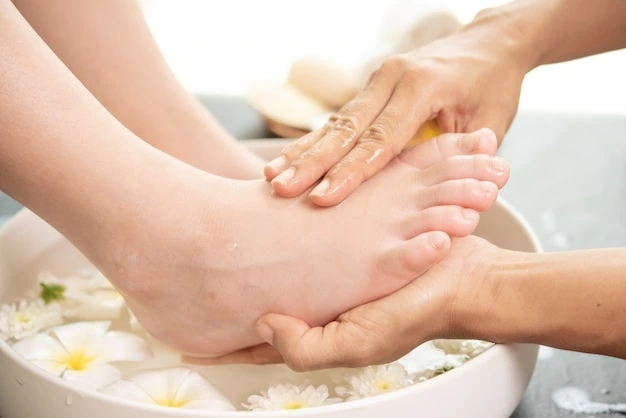
Our feet support us every day, playing a vital role in our overall well-being, which can inspire readers to value and care for their feet more.
In busy cities like Mangaluru, where long walks, standing jobs, or humid weather take a toll, feet can develop calluses, feel tired, swell, and become stressed. A foot spa, with simple steps like soaking in warm water, exfoliating, and getting a massage, can provide deep relief and promote well-being. It helps improve circulation, ease stress, restore skin health, and support overall wellness. Taking care of your feet isn’t just about being pampered; it’s an important part of self-care that can help you feel more relaxed and refreshed.
Importance of Foot Health in Overall Wellness
Feet play a key role in staying healthy.
They have more than 7,000 nerve endings, 26 bones, and many reflex points that connect to different organs through reflexology. If your feet aren’t healthy, it can lead to problems like bad posture, back pain, knee strain, and difficulty moving around. Not taking care of your feet can lead to issues such as plantar fasciitis, bunions, fungal infections, or serious complications if you have diabetes due to poor blood flow. Recognising this can motivate you to prioritise foot health for better overall posture and comfort.
Taking care of your feet can improve your overall health.
Soaking and massaging your feet can improve blood flow, bringing more oxygen and nutrients to your body while also helping remove toxins. Reflexology can help move energy through the body, which may help with conditions such as headaches, digestion, or sleep. Studies have found that foot reflexology can lower anxiety, tiredness, and pain, even in people dealing with cancer. Warm foot baths can help you relax, lower blood pressure, and improve sleep by calming the nervous system. For people with diabetes or poor circulation, regular foot care can help prevent wounds and infections. Keeping your feet healthy can also help with balance, energy, and confidence, which are important parts of being truly healthy.
Book Your Appointment
Benefits of Warm Soak and Exfoliation
A warm soak between 38 and 42°C is the key part of a foot spa.
Warm water helps blood flow better, which can reduce swelling, ease soreness, and relieve muscle tightness. Using Epsom salt (magnesium sulfate) in the water might help reduce inflammation and soreness. Magnesium can help ease cramps and joint pain.
After soaking, exfoliating is next. Using a gentle scrub or a pumice stone can remove dead skin, calluses, and rough areas. This helps prevent cracks, enhances the effectiveness of moisturisers, and leaves feet feeling softer. When you combine soaking and exfoliating, your nails become easier to trim, you reduce the risk of fungal infections by removing dirt and debris, and your skin feels smoother and healthier. Doing this regularly helps stop buildup, so your feet stay fresh and comfortable.
Stress Reduction Through Gentle Massage
Massaging your feet is a great way to reduce stress.
Gently kneading the soles, arches, and toes can stimulate reflex points, helping release endorphins and lower cortisol levels. Techniques like gliding (effleurage) and kneading (petrissage) help relax muscles, improve flexibility, and ease tension from standing for long periods or wearing poorly fitting shoes.
Studies show that foot massage can help reduce anxiety, improve mood, and support sleep. For people in high-stress jobs, even 10-minute sessions a week can lower blood pressure and reduce feelings of tiredness. The warmth and touch of a foot massage can activate the body’s rest-and-digest system, helping shift from a stressed state to a more relaxed one. After a massage, people often feel clearer-headed and calm, which is especially helpful after a long day.
Skin Rejuvenation and Odour Control
Feet can get dry, cracked, and smelly because of sweat and bacteria.
A soak helps soften the skin, making it easier to remove dead skin cells and calluses during exfoliation. Applying moisturiser after a soak keeps skin hydrated and prevents cracks.
Ways to fight foot odour include using soaks with tea tree oil, peppermint, or Epsom salt, as these can kill bacteria and reduce smells.
Regular exfoliating helps remove the buildup where bacteria can grow. Keeping the skin hydrated and smooth helps prevent infections. Having fresh-smelling feet can also improve confidence, especially when wearing sandals or in warm weather.
Best Frequency for Foot Spa Sessions
How often you should do a foot spa depends on your lifestyle and needs.
For general relaxation and regular care, once a week or every two weeks is usually enough. If you have chronic fatigue, swelling, or stand a lot, doing it 2-3 times a week with 10-20-minute home soaks can be beneficial. At a professional spa, a session every 2-4 weeks is good for deeper care.
Gentle daily soaks with warm water are safe for most people and can improve circulation without being too intense.
Listen to your body dry or cracked feet may need more moisture. Avoid soaks if you have open wounds or infections. Start with a moderate routine and increase frequency as needed.
Book Your Appointment
Conclusion
Your feet work hard treat them with some regular spa care. From improving blood flow and easing stress to making your skin look better and keeping your feet smelling fresh, the benefits go beyond just looking good and contribute to your overall health. In Mangaluru, where the weather is warm and your feet can get sweaty and tired, this simple routine can help refresh both your body and your mind. Start with something easy: a warm soak, a gentle exfoliation, and a relaxing massage. Make foot care a priority your feet are the foundation of your body and deserve attention. Step into comfort and peace today.