Deep Relaxation vs. Muscle Recovery — Which Massage Is Right for You?
Table of Contents
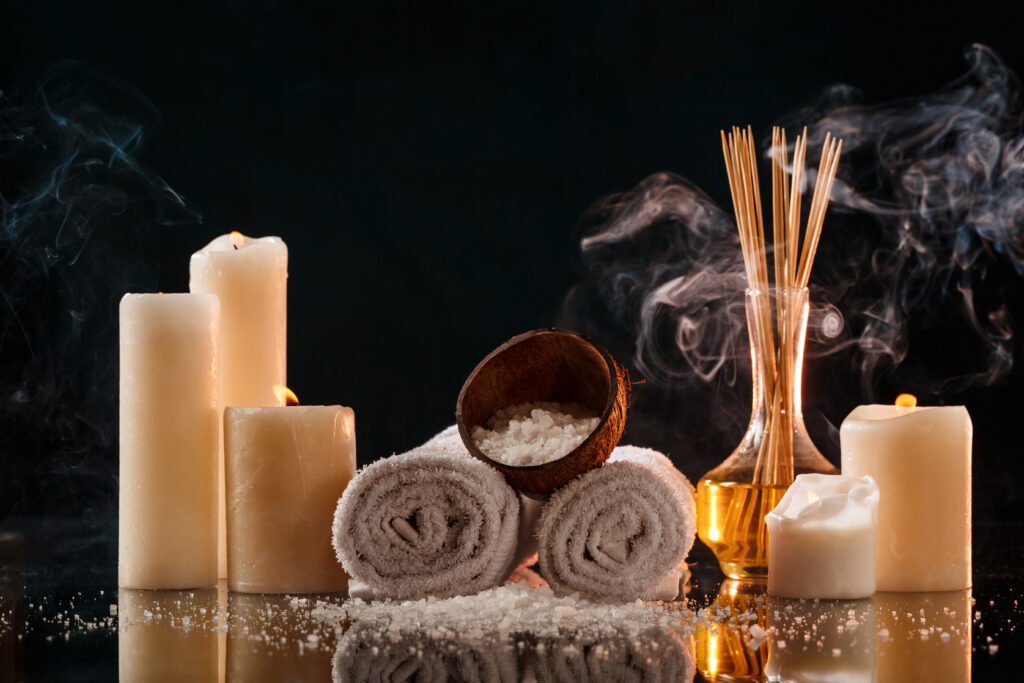
Navigating the world of wellness can be overwhelming with the array of types of body massage available, each promising unique benefits. At premier spas like Ira Spa in Mangalore, the choice between relaxation vs recovery massage often boils down to understanding your body’s specific needs. Whether you’re a stressed professional seeking calm or an athlete aiming to heal sore muscles, selecting the right massage can transform your well-being. This blog explores how to assess your relaxation needs, when to opt for deep tissue versus Swedish therapy, the best massage types for athletes versus professionals, the advantages of alternating techniques, and how to build a personalized routine, ensuring you find the best spa treatments for your lifestyle.
1.Understanding your body’s relaxation needs
The first step in choosing the right types of body massage is understanding your body’s unique relaxation needs, which vary based on lifestyle, stress levels, and physical condition. For those juggling demanding schedules, chronic stress often manifests as mental fog, tension headaches, or shallow breathing, signaling a need for a relaxation-focused massage. These therapies, like Swedish or aromatherapy massages, prioritize gentle strokes and calming techniques to soothe the nervous system, lower cortisol levels, and promote a sense of peace. At Ira Spa, therapists begin with a consultation to identify signs of stress, such as tightness in the shoulders or neck, ensuring the session aligns with your emotional and physical state.
Conversely, if you experience physical discomfort—such as stiff joints, muscle soreness, or fatigue from exercise—your body may require a recovery-oriented massage. Deep tissue or sports massages target deeper muscle layers to release knots and improve mobility, addressing the physical toll of activity or poor posture. Understanding whether your primary goal is mental calm or physical repair is key to selecting the right relaxation vs recovery massage. For instance, someone with a desk job might lean toward relaxation to counter mental strain, while a physically active individual might prioritize recovery. By assessing your body’s signals, you can choose the best spa treatments to restore balance and vitality.
Book Your Appointment
2.When to choose deep tissue vs. Swedish therapy
Deciding between deep tissue and Swedish therapy hinges on your body’s specific needs and the outcomes you seek from the types of body massage available. Swedish therapy, often considered the gold standard for relaxation, uses long, flowing strokes, kneading, and circular movements to promote full-body relaxation. Its gentle approach stimulates the parasympathetic nervous system, reducing stress and improving sleep quality, making it ideal for those feeling overwhelmed or seeking a calming escape. At Ira Spa, Swedish sessions incorporate aromatherapy oils and a tranquil environment, enhancing the relaxation vs recovery massage experience for clients needing mental respite.
Deep tissue therapy, on the other hand, is designed for muscle recovery, targeting deeper layers of muscle and connective tissue. Using firm pressure and slow strokes, it addresses chronic pain, muscle knots, and tension from physical exertion or poor posture. This therapy is particularly effective for those with specific pain points, such as lower back discomfort or tight hamstrings, but it may feel intense for those unaccustomed to firm pressure. At Ira Spa, therapists adjust the intensity to ensure comfort while delivering effective recovery. Choose Swedish for stress relief and gentle relaxation, and deep tissue for targeted pain relief or post-exercise recovery, ensuring you select the best spa treatments for your needs.
3.Massage types for athletes vs. professionals
The types of body massage best suited for athletes versus professionals reflect their distinct physical and mental demands. Athletes, whether amateur or professional, often require recovery-focused massages to address muscle soreness, enhance flexibility, and prevent injuries. Sports massage, a specialized form of deep tissue therapy, is tailored to athletic needs, focusing on specific muscle groups used in their sport. It incorporates stretching and targeted pressure to release lactic acid buildup and improve circulation, aiding faster recovery. At Ira Spa, athletes benefit from customized sessions that align with their training cycles, making it a top choice among relaxation vs recovery massage options for physical restoration.
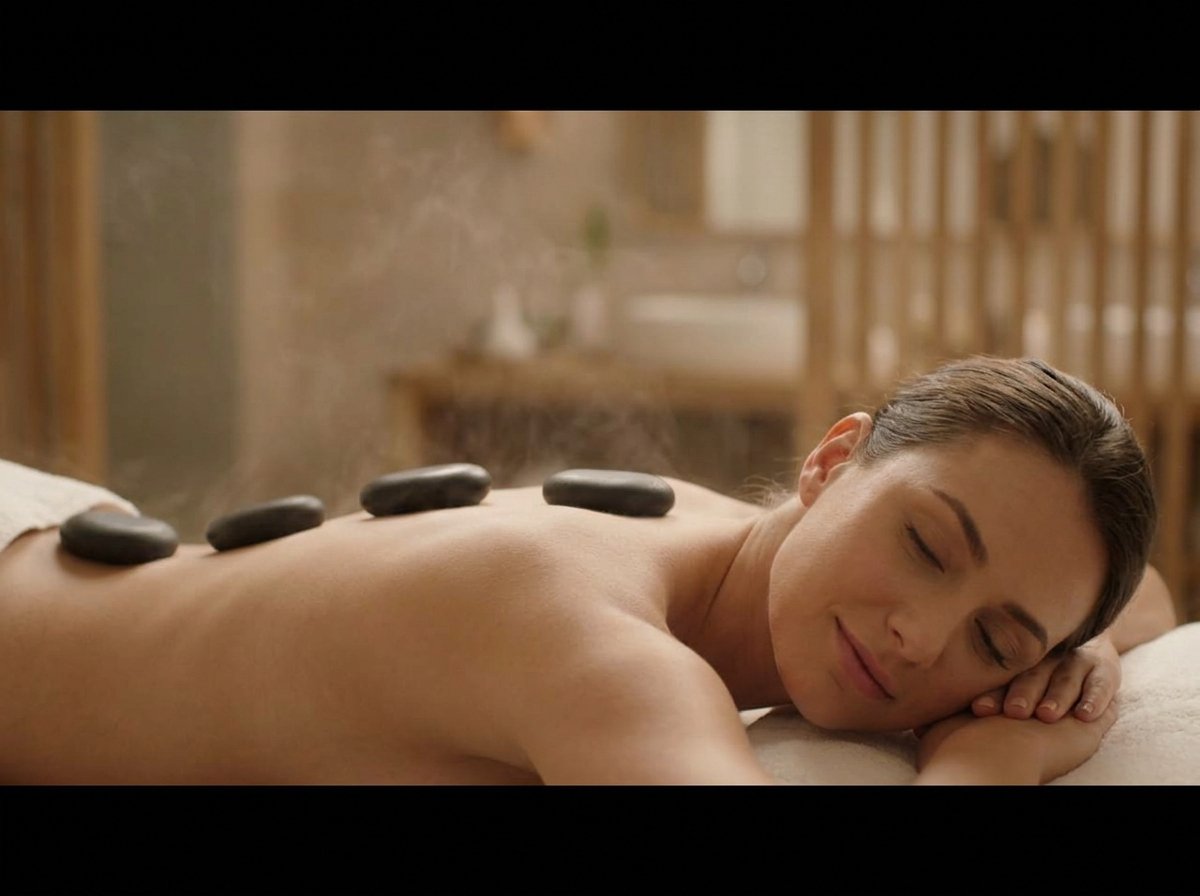
Professionals, particularly those in high-stress or sedentary roles, often need relaxation-focused massages to combat mental fatigue and physical tension from prolonged sitting. Swedish or hot stone massages are ideal, as they prioritize calming the nervous system and relieving superficial muscle tension. These therapies help professionals manage stress-related symptoms like headaches or neck stiffness, promoting mental clarity and emotional balance. Ira Spa’s therapists tailor sessions to address desk-bound posture issues, ensuring a holistic experience. While athletes may occasionally benefit from relaxation massages to reduce stress, and professionals might need recovery massages for chronic tension, choosing the right type ensures the best spa treatments for their unique lifestyles.
4.Benefits of alternating between techniques
Alternating between relaxation and recovery-focused types of body massage offers a balanced approach to long-term wellness, addressing both physical and emotional needs. Regularly switching between techniques like Swedish and deep tissue prevents the body from plateauing, as each targets different aspects of health. Relaxation massages, such as Swedish, keep stress levels in check by calming the nervous system and promoting endorphin release, which enhances mood and sleep quality. This is crucial for maintaining mental resilience, especially during high-pressure periods. Conversely, recovery massages like deep tissue or sports therapy maintain muscle health, preventing chronic pain and improving mobility, which is vital for active individuals or those with repetitive strain.
This alternation also supports holistic healing by addressing the interconnectedness of mind and body. For example, a relaxation massage can prepare the body for a more intense deep tissue session by reducing initial tension, making subsequent recovery work more effective. At Ira Spa, therapists design schedules that incorporate both, such as monthly Swedish sessions for relaxation and bi-weekly deep tissue for recovery, ensuring a comprehensive relaxation vs recovery massage plan. This approach enhances flexibility, reduces injury risk, and fosters sustained energy, making it one of the best spa treatments for those seeking balanced wellness over time.
5.Building a personalized massage routine
Creating a personalized massage routine involves tailoring the types of body massage to your lifestyle, goals, and physical condition, ensuring optimal benefits from both relaxation and recovery approaches. Start by assessing your daily demands—athletes might prioritize recovery massages post-training, while professionals may need relaxation sessions to counter work stress. At Ira Spa, a consultation helps map out a routine, considering factors like stress levels, physical activity, and chronic pain. For instance, someone with a desk job and occasional workouts might alternate weekly Swedish massages for stress relief with monthly deep tissue sessions for posture correction.
Frequency and timing are key. Monthly sessions suffice for maintenance, but bi-weekly massages may be ideal for addressing chronic issues or intense training schedules. Incorporating complementary therapies, like hot stone or aromatherapy, can enhance the routine by adding layers of relaxation or recovery. Tracking how your body responds—whether it’s improved sleep, reduced pain, or better mobility—helps refine the plan. Ira Spa’s therapists provide ongoing guidance, adjusting techniques as your needs evolve. By building a routine that balances relaxation vs recovery massage, you create a sustainable path to wellness, ensuring the best spa treatments align with your long-term health goals.
In conclusion, choosing between relaxation and recovery massages depends on understanding your body’s needs and goals, with each type offering unique benefits. Discover the perfect types of body massage for you at Ira Spa and start your journey to balanced well-being—book your appointment today.
Book Your Appointment
FAQs
What are the main types of body massage for relaxation vs. recovery?
How do I know if I need a relaxation or recovery massage?
How long does a typical massage session last at Ira Spa?
Can I combine relaxation and recovery massages in one session?
5. How often should I get a massage for the best results?
Ready to feel the difference?
Bring this ritual to life at Ira Spa, Mangalore or Kalaburagi.
Book an AppointmentRelated Reading
The Connection Between Regular Spa Visits and Better Immune Health
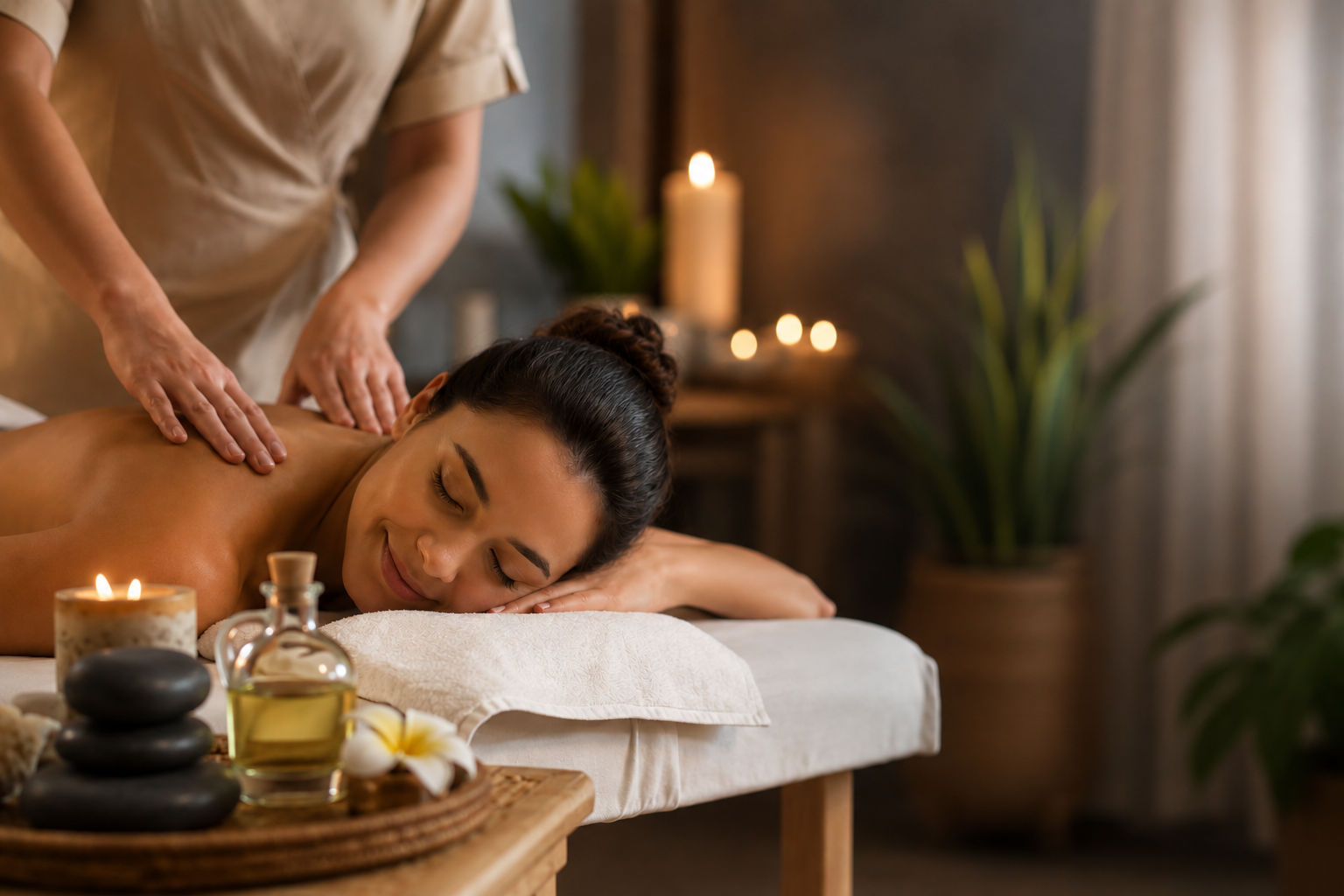
Regular Spa Visits Most people think of a spa visit as a reward a few hours to unwind after a hard week. Fewer people realise that the same massage that melts away shoulder tension is also quietly working on something far more important: your immune system. Ongoing research into massage therapy and stress physiology shows […]
Is Body Polishing Safe for All Skin Types?
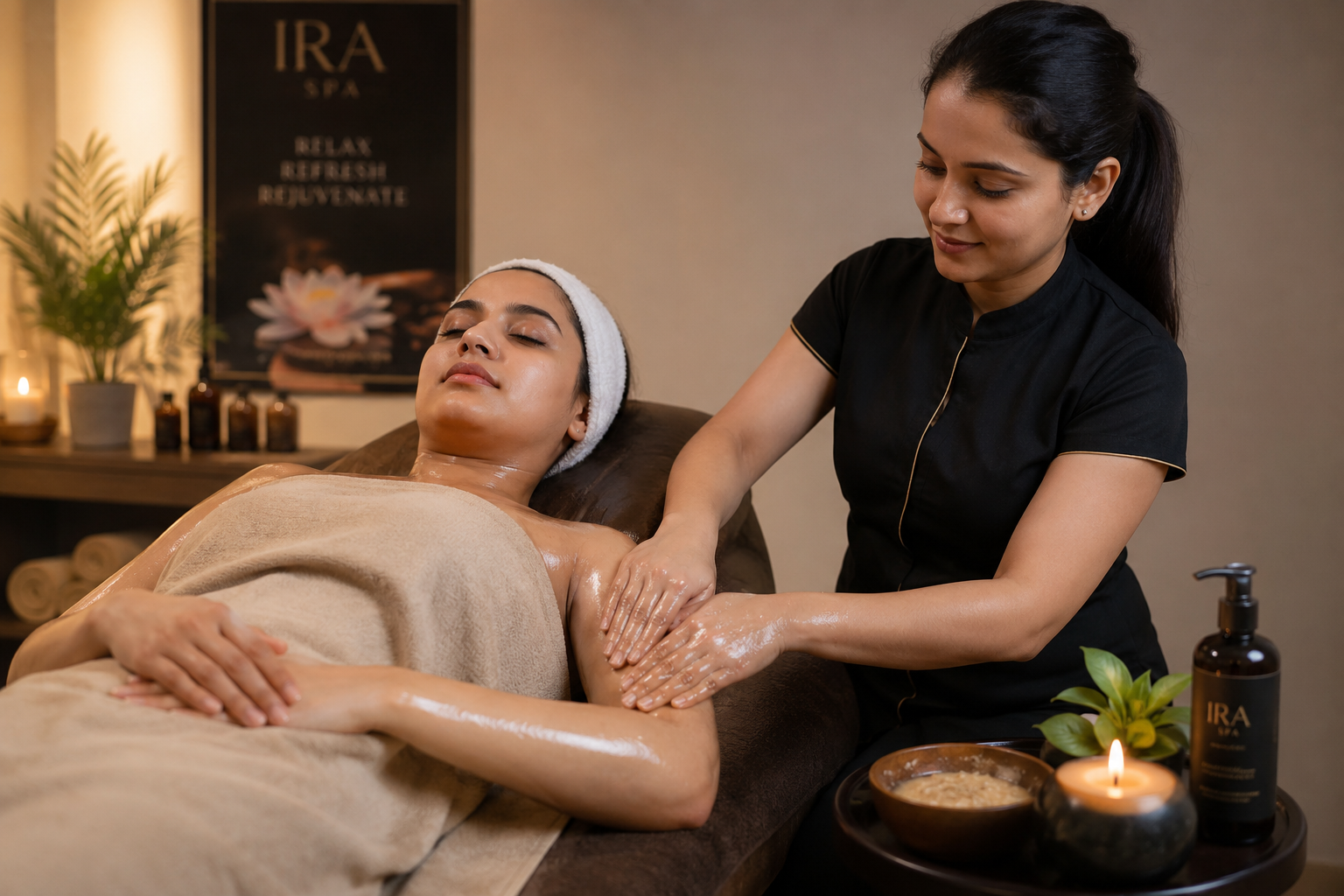
Body Polishing for All Skin Types Body polishing has become one of the most requested treatments at spas across India, and for good reason — it leaves skin visibly smoother, brighter, and softer within a single session. But a common question keeps coming up before people book: is body polishing actually safe for every skin […]
Benefits of Visiting a Spa Once a Month
Benefits of Visiting a Spa Life today moves fast. Between long work hours, family responsibilities, traffic, and screen time, most of us are running on empty without even realizing it. We plan vacations once a year and doctor visits when something goes wrong, but we rarely plan time for our body and mind to simply […]