
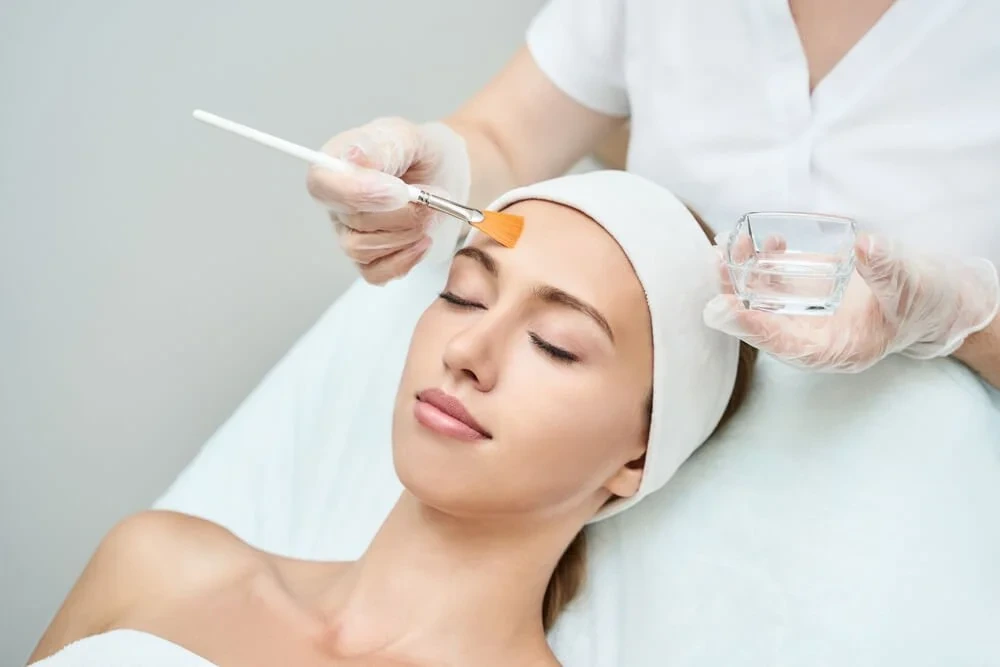
In today’s skincare world, having a brighter and more even skin tone is a popular goal. Words like “whitening” and “brightening” usually mean treatments that aim to reduce dullness, dark spots, and uneven skin color, not to change your natural skin tone. A whitening facial is actually more accurately called a brightening facial, and it’s a professional treatment that uses specific ingredients and methods to fade hyperpigmentation, boost your skin’s glow, and show you healthier skin. These facials work by slowing down the overproduction of melanin the pigment that gives skin its color while making sure your skin stays healthy and protected.
Supported by dermatological research, brightening facials help with problems like sun damage, acne scars, and stress from the environment. They help your skin look more radiant and even in tone without harming your skin’s natural protective barrier. In this blog, we’ll take a closer look at the science, ingredients, safe methods, and common myths related to these treatments.
What causes skin tone to look uneven?
It often shows up as dark spots, patches, or a lack of brightness. This is mainly because of hyperpigmentation, which happens when too much melanin is produced in certain areas of the skin. Melanin is made by cells called melanocytes in the outer layer of the skin. It helps protect the skin from the sun’s harmful rays, but sometimes the body makes too much of it, usually due to certain factors.
Key causes include:
– Sun exposure: The sun’s UV rays cause melanocytes, the skin cells that make melanin, to create more of it as a way to protect the skin.
This can lead to sunspots, freckles, and a general darkening of the skin. If you’re exposed to the sun a lot over time, it can cause brown patches or age spots.
– Inflammation and post–inflammatory hyperpigmentation (PIH): When the skin gets inflamed due to acne, injuries, or irritation, it can produce too much melanin in the areas that are healing. This is especially common in people with acne-prone skin and can leave behind dark marks.
– Hormonal changes: Conditions like melasma are linked to hormone levels, such as those that occur during pregnancy or from using birth control. These hormones can make the skin more sensitive to UV light, resulting in dark, butterfly-shaped patches on the face.
– Aging and environmental factors: As you get older, the skin’s natural process of replacing old cells slows down, which allows pigmented cells to build up.
Pollution, stress, and some medications can make this worse by creating harmful chemicals called free radicals that damage the skin and increase melanin production.
Genetics also play a role people with darker skin naturally have more melanin, which makes them more likely to show visible signs of hyperpigmentation. Knowing these causes helps explain why treatments like brightening facials focus on reducing melanin production for noticeable results.
How Whitening Facials Reduce Melanin
Brightening facials work by affecting the process of melanin production in the body.
The main enzyme involved is called Tyrosinase, which helps turn tyrosine into melanin.
Professional facials use several steps to achieve results:
1.Exfoliation: Using gentle chemical peels, like those with AHAs such as glycolic acid, or enzymes, helps remove dead skin cells. This speeds up cell turnover and helps fade dark spots on the surface.
2.Blocking tyrosinase: Certain active ingredients stop tyrosinase from working, which reduces the formation of new melanin. This helps prevent dark spots from getting worse and gradually lightens existing ones.
3.Antioxidant protection: These ingredients help fight off harmful free radicals caused by things like UV rays or pollution, which can lead to more melanin production.
4.Reducing melanosome transfer: Some treatments limit the movement of melanosome (which carry melanin) from the skin cells that make melanin to the outer skin cells where pigmentation shows.
5.Light therapy: Using blue or red light can help reduce inflammation and support collagen production, which can help even out skin tone over time.
These methods lead to a slow, steady brightening effect without harming the melanocytes, which are essential for natural skin protection.
Book Your Appointment
Ingredients for Lightening and Sun Protection
Safe and effective brightening depends on ingredients that are proven to work gently. These ingredients help stop the production of melanin while also protecting and keeping the skin hydrated.
Some of the most popular and effective ones are:
– Vitamin C (ascorbic acid or its derivatives): This is a strong antioxidant that stops the enzyme tyrosinase, which is needed for melanin production.
It also helps remove harmful free radicals and boosts collagen, leading to a brighter, healthier complexion.
– Niacinamide (Vitamin B3): This ingredient helps reduce the transfer of melanin to skin cells.
It also helps calm skin inflammation, strengthens the skin’s natural barrier, and helps even out skin tone without causing irritation.
– Kojic acid: This comes from certain kinds of fungi.
It works by preventing the enzyme tyrosinase from functioning properly, which helps lighten dark spots. It’s often used in peels to target specific areas for brighter skin.
– Alpha arbutin: This is a natural and stable alternative to hydroquinone.
It helps block the enzyme tyrosinase, making it a good option for sensitive skin. It works slowly to fade dark spots over time.
Sun protection is absolutely essential.
Using a broad-spectrum sunscreen with at least SPF 30 that contains ingredients like zinc oxide or iron oxides helps prevent new melanin from forming and protects the skin after treatments. It’s important to use it every day because exposure to UV rays can quickly undo the benefits of any brightening efforts.
Safe Methods for Visible Brightening
Professional brightening facials are designed with safety in mind using personalized treatment plans. Trained estheticians evaluate your skin type, do patch tests on active ingredients, and use safe concentrations to prevent skin irritation.
Safe practices include:
– Treatments that follow a series of steps: starting with cleansing, then exfoliating, applying brightening masks or serums, massaging to boost blood flow, and ending with soothing hydration.
– Steering clear of strong chemicals like high-strength hydroquinone unless under professional supervision.
– Pairing professional treatments with at-home care: using gentle routines that include the same ingredients, applying sunscreen daily, and avoiding the sun after treatments.
You’ll likely see results over time often after 3 to 6 sessions spaced 4 to 6 weeks apart with smoother skin, fewer dark spots, and a more radiant appearance.
If you have ongoing concerns, it’s best to talk to a dermatologist.
Myths vs. Facts About Whitening Treatments
Myth: Whitening facials bleach or change your natural skin color permanently.
Fact:These treatments focus on reducing extra melanin that causes dark spots or uneven skin tone, not your natural skin color.
The results aren’t permanent and need regular maintenance to keep skin looking even and glowing without changing your original skin tone.
Myth: These treatments work quickly or last forever.
Fact: Skin brightening happens slowly as your skin naturally renews itself, which takes about 28 days.
To see results, you need to be consistent and protect your skin from the sun. Without proper care, pigmentation can come back.
Myth: All whitening products are unsafe or harmful.
Fact: Professional treatments with approved ingredients like vitamin C, niacinamide, and alpha arbutin are safe when used properly.
Stay away from products that aren’t regulated, especially those containing mercury or steroids.
Myth: Home remedies like lemon juice are better and more natural.
Fact: Many of these can cause irritation or even make pigmentation worse when exposed to sunlight.
Professional treatments are safer and more effective for achieving even, healthy skin.
Myth: Brightening treatments are only for people with fair skin or certain skin types.
Fact: Customized facials can work for all skin tones, addressing issues like dark spots or dullness regardless of your natural color.
Book Your Appointment
Conclusion
Whitening facials provide a scientifically backed way to achieve brighter, more even-toned skin by tackling the overproduction of melanin through focused inhibition, gentle exfoliation, and skin protection.
These treatments use proven ingredients like vitamin C, niacinamide, kojic acid, and alpha arbutin, along with strict sun protection measures, to deliver clear, radiant results without harming your skin’s health. By dispelling common misconceptions, it’s clear that these treatments are both safe and effective for reducing dark spots and improving skin dullness.
Seeking professional advice ensures you get the best results tailored to your skin type, and combining these treatments with daily care routines helps maintain your skin’s natural glow. Your skin looks its healthiest and most beautiful when it’s well taken care of and protected start your journey to a more luminous complexion today.